“Autumn shows us how beautiful it is to let things go.” – Unknown
The clocks were turned back during the first weekend of April and it seems to have coincided with a definite change in the seasons. There is a coolness in the evening air despite some days of sunshine. The mid-March temperatures in the low 30s and annoying blow flies seem to have disappeared here in Victoria. But April can produce some stunning Autumn weather to enjoy over the Easter holidays. Will wait and see. We have avoided floods here but our hearts go out to those especially in NSW who have experienced severe flooding twice within a month.
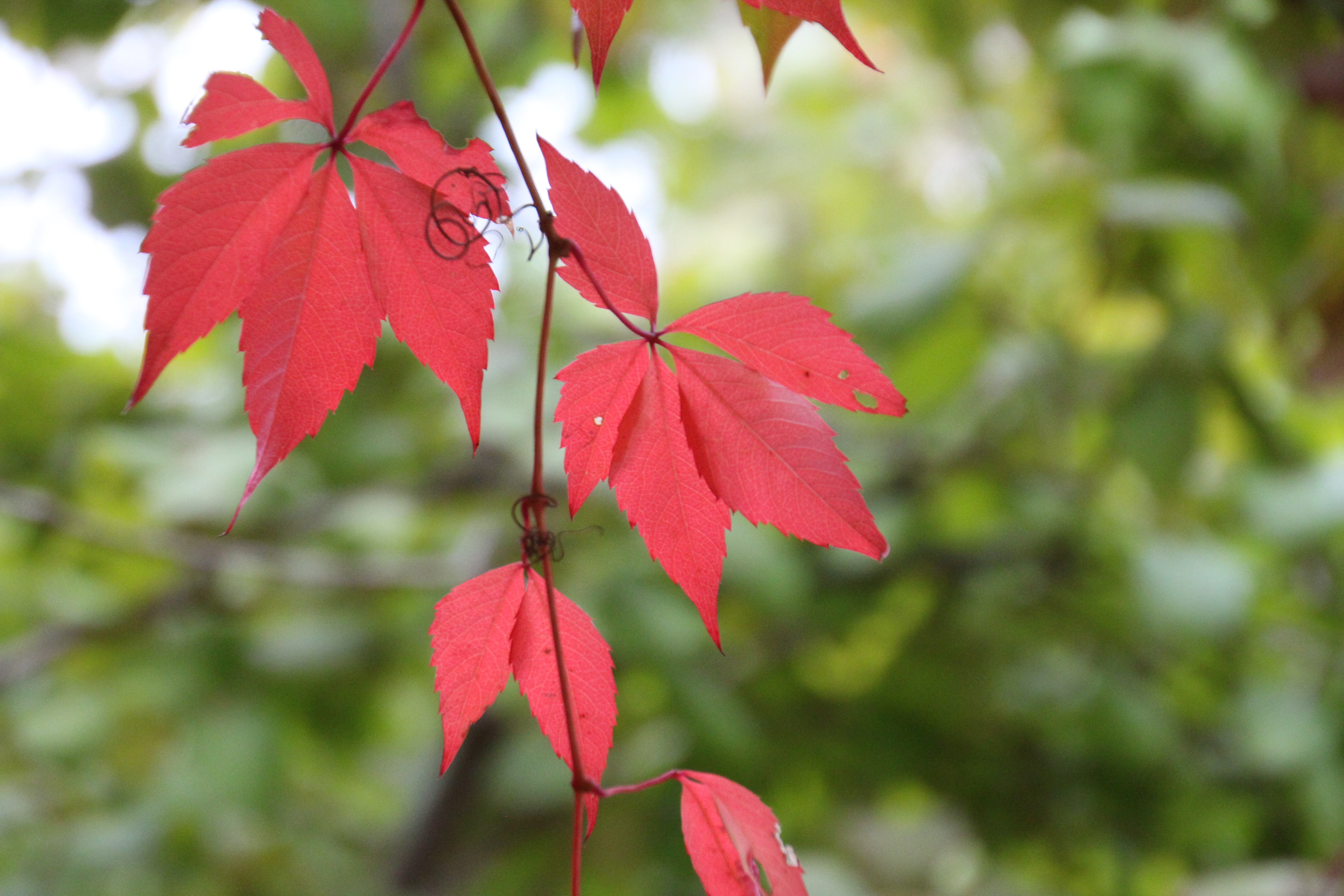
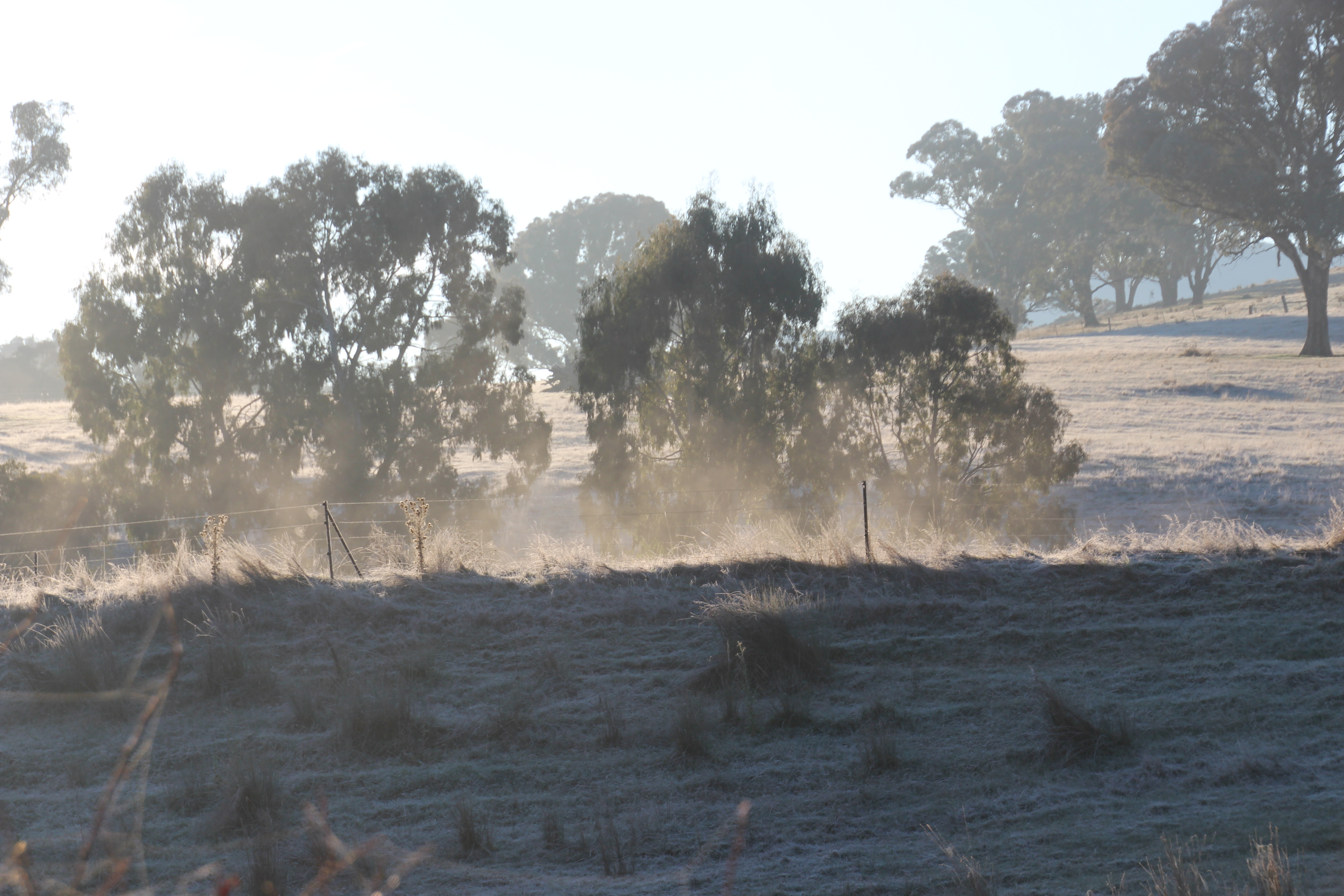
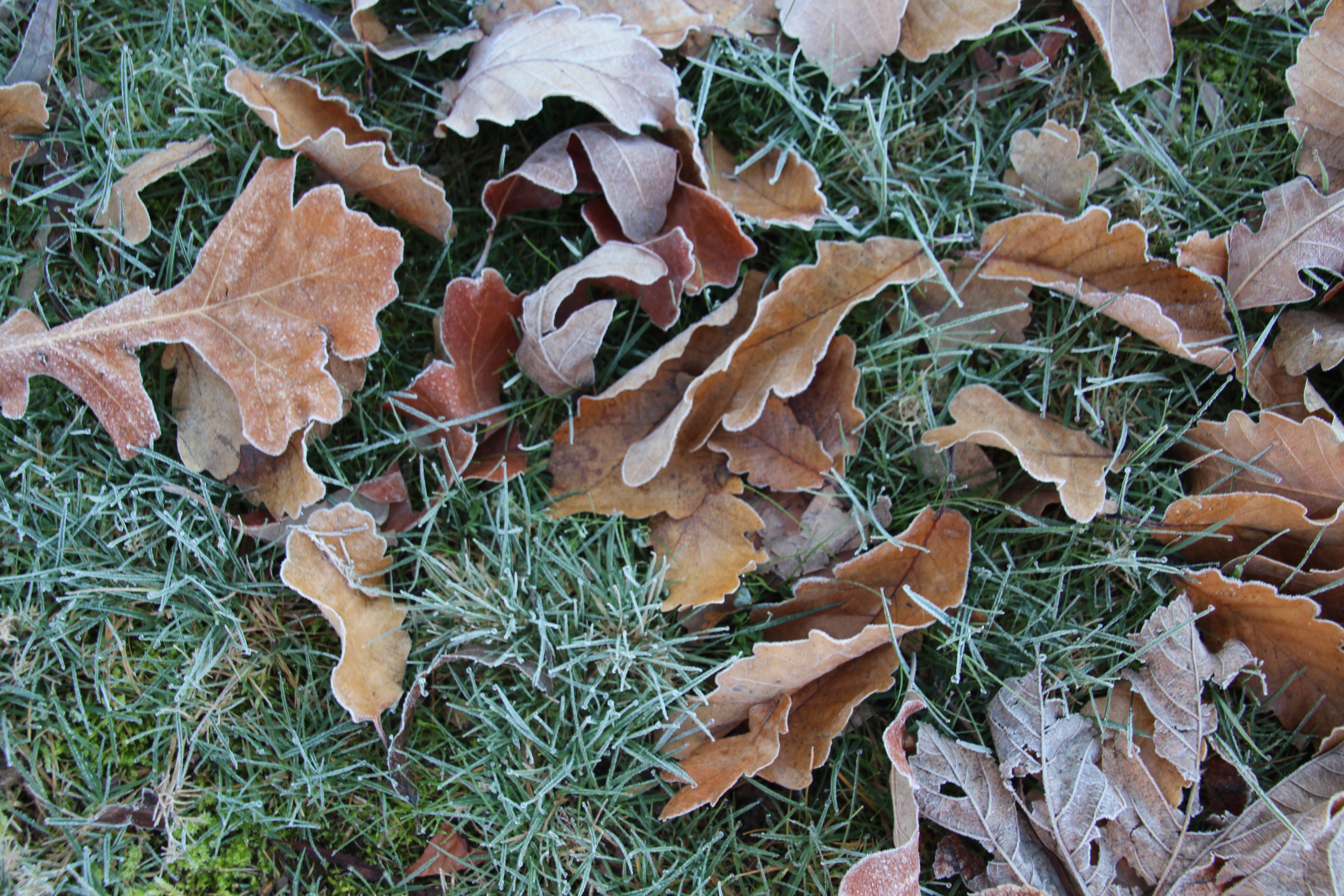
For me autumn offers a calming time of year. It is subtle and yet spectacular as it reveals its hidden beauty. From green to gold, yellow to red. Here in North East Victoria the colours of autumn tend to really come into their own about mid April to early May. Then the great shedding of leaves starts as we approach winter. Raking is one way to get a good work out!
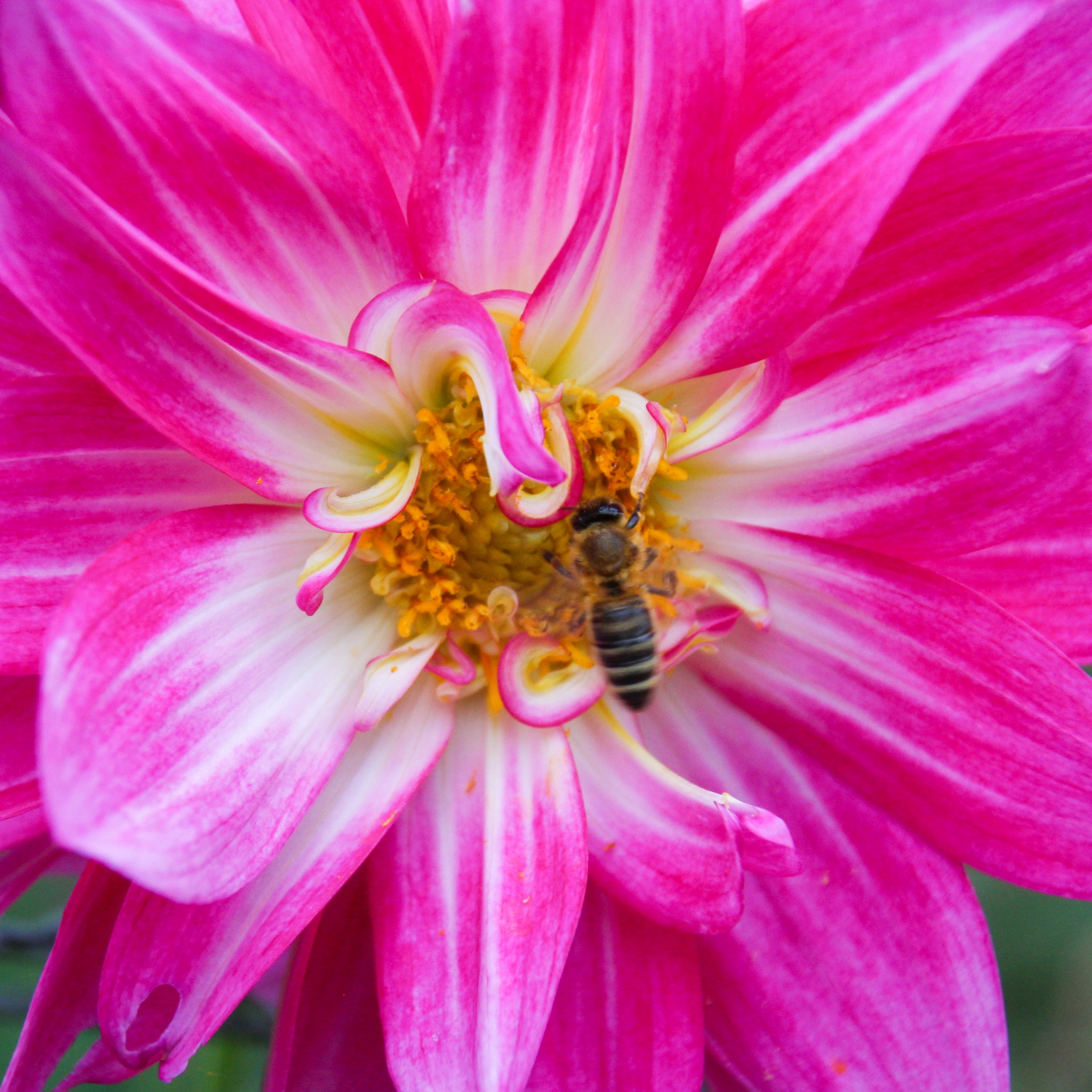
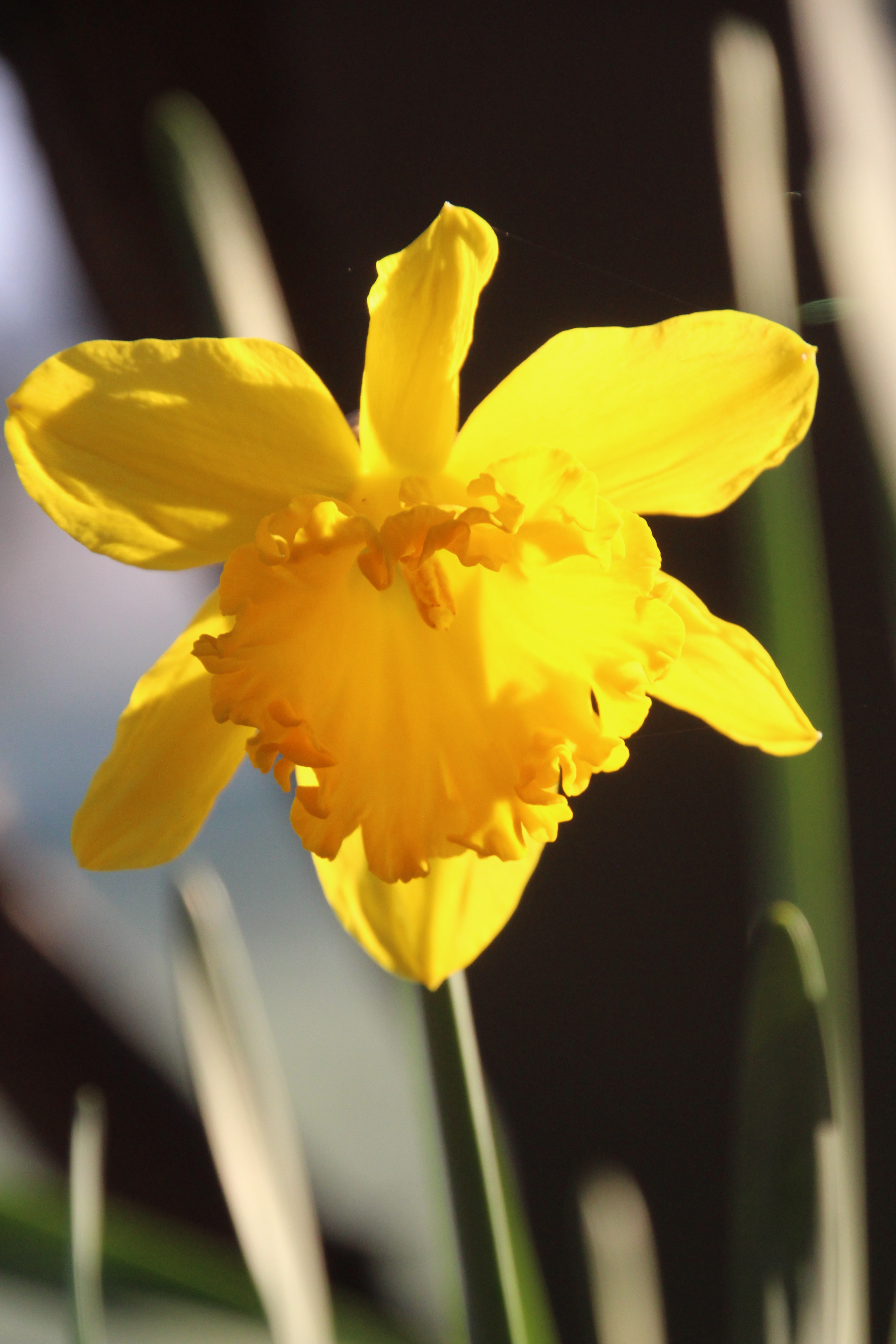
Over the weekend I explored our 25 acres with camera in hand for different perspectives and to capture the various tints and hues of the changing season. I also managed to find glorious brightly-coloured flowers.
There was also a visit to one of my favourite local places, Jamieson, an historic Victorian township on the river and in the bush-clad hills that were once home to many searching for gold. My husband and I attended the once a month Anglican church service which was followed by lunch in a nearby café.
Whatever season you may be going through, remember to enjoy the one you are going through now!
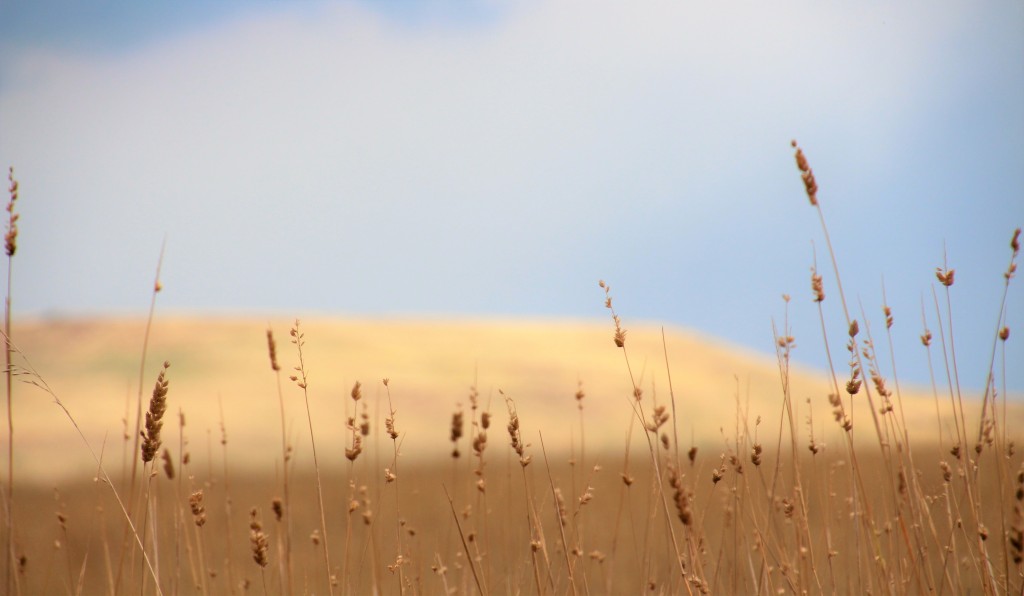
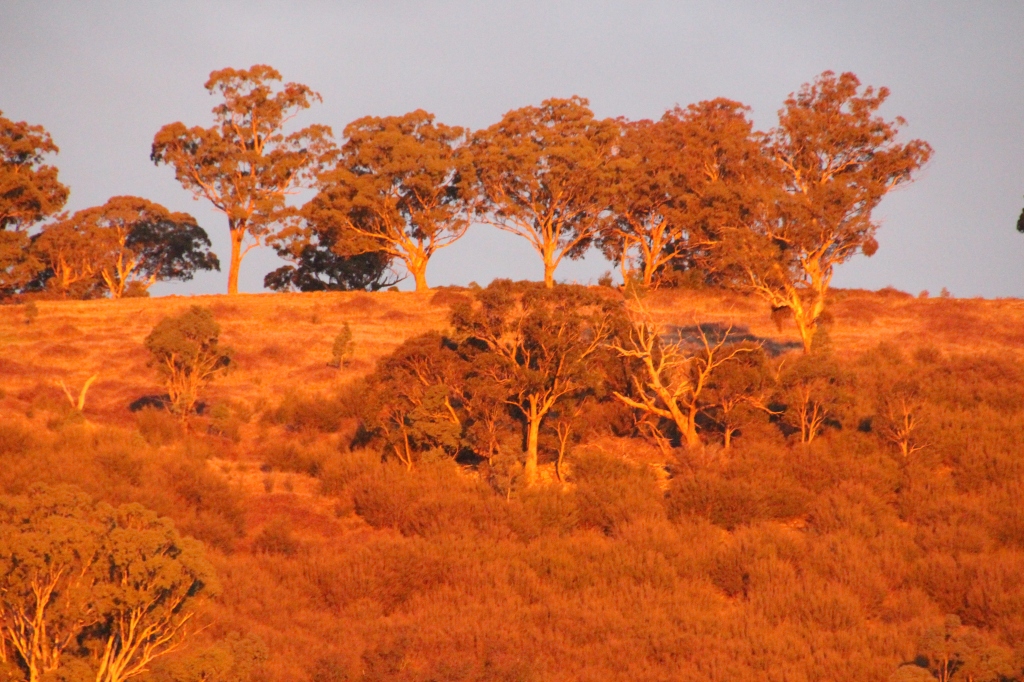
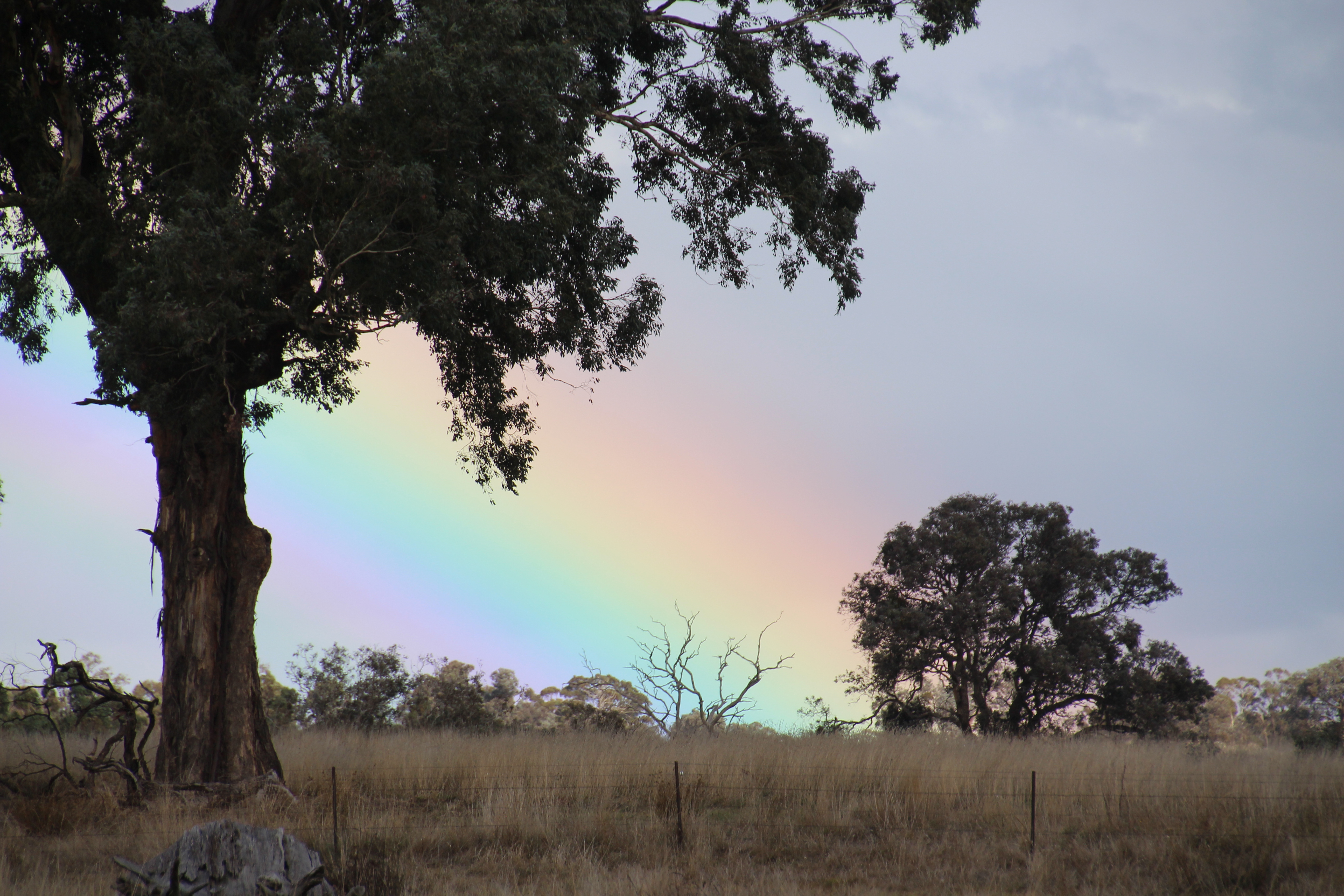
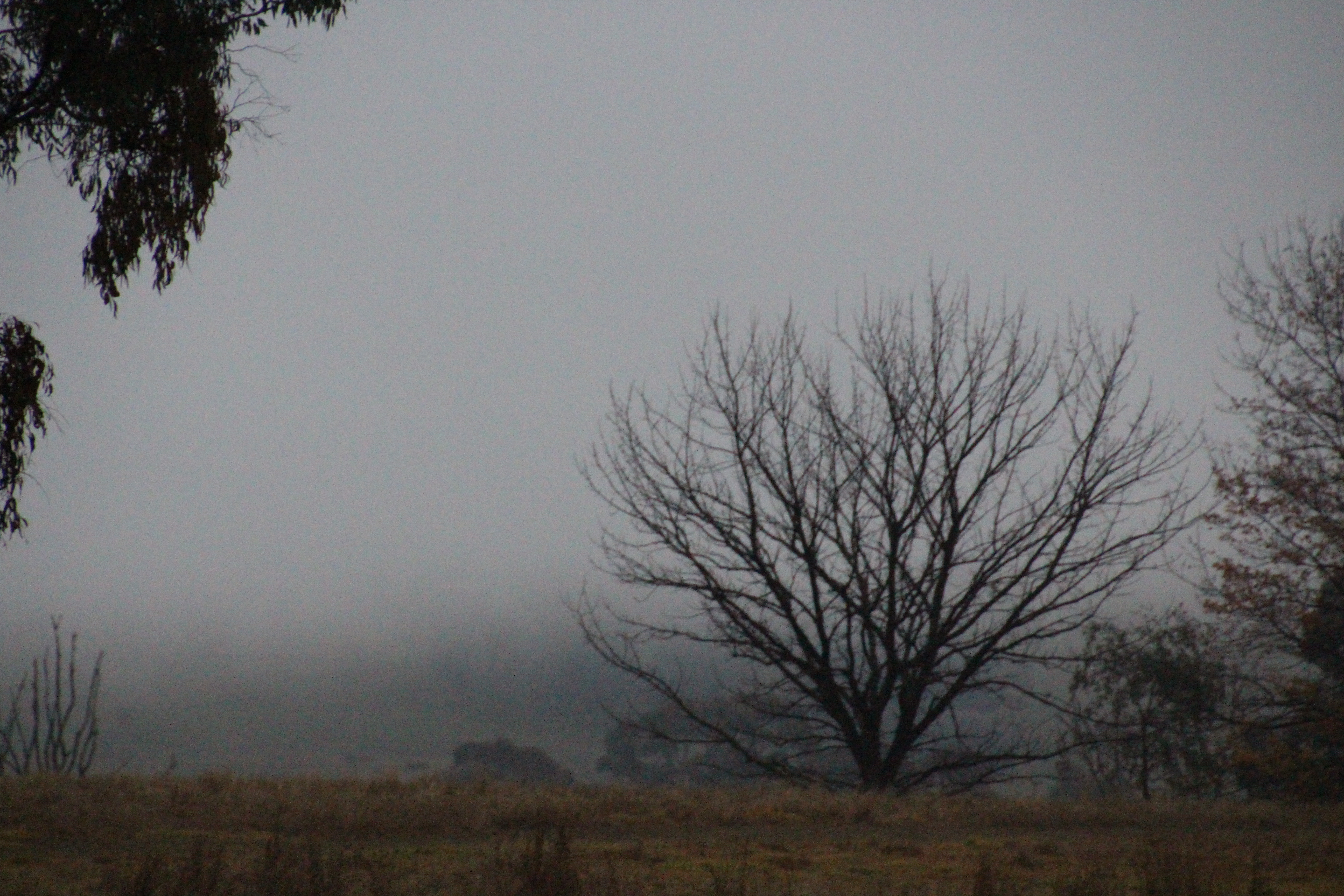
The golden hues of autumn grasses against grey skies.
A run of hot, humid days accompanied by thunderstorms has been the norm for most of March. A wetter than usual winter and spring created unprecedented grass growth. Good news for those who had hay to cut and bale, but for others on smaller acreage like ourselves, keeping on top of the mowing is a constant task. When there was minimal rainfall, grass growth was a lot slower. But seeing our dams full and household tanks almost at capacity, we are not complaining.
We had hot and dry conditions for our annual campdraft just gone, which made it a top weekend for competitors and spectators alike. Being on the committee kept me busy with various activities over the two days. I will do a separate post on the Australian equestrian sport of campdrafting and share some photos.
With its still calm weather conditions, autumn also marks a period of planned burn-offs in our high country. While this is designed to reduce the fuel load in the bush and mountain areas, the smoke haze can make one feel like they are living in an ashtray. It has been a long time since I have hung out in a smokey journo’s bar. I used to go home and hang my good jacket on the clothesline to get rid of the smell. I couldn’t afford to pay for the dry cleaners too often!
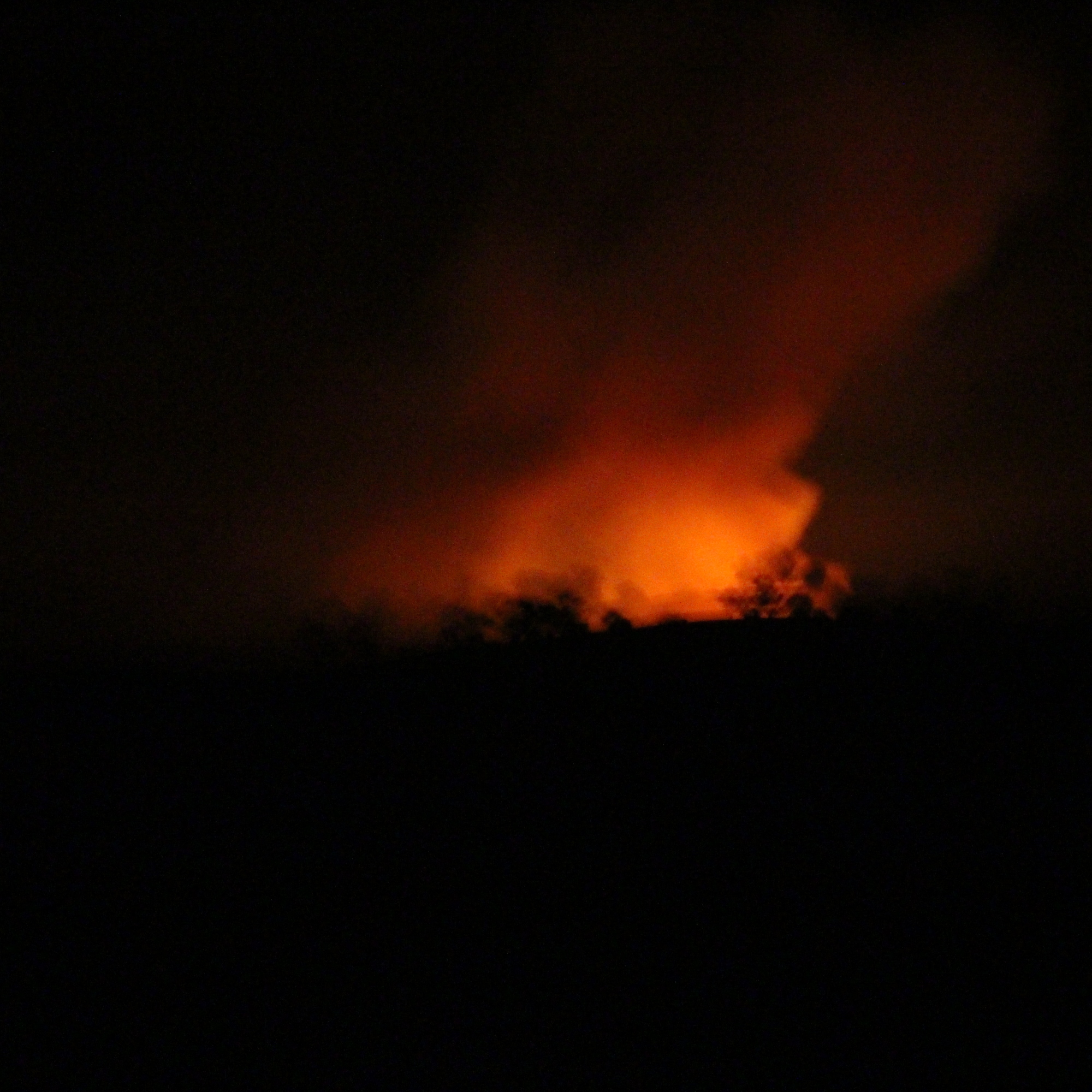
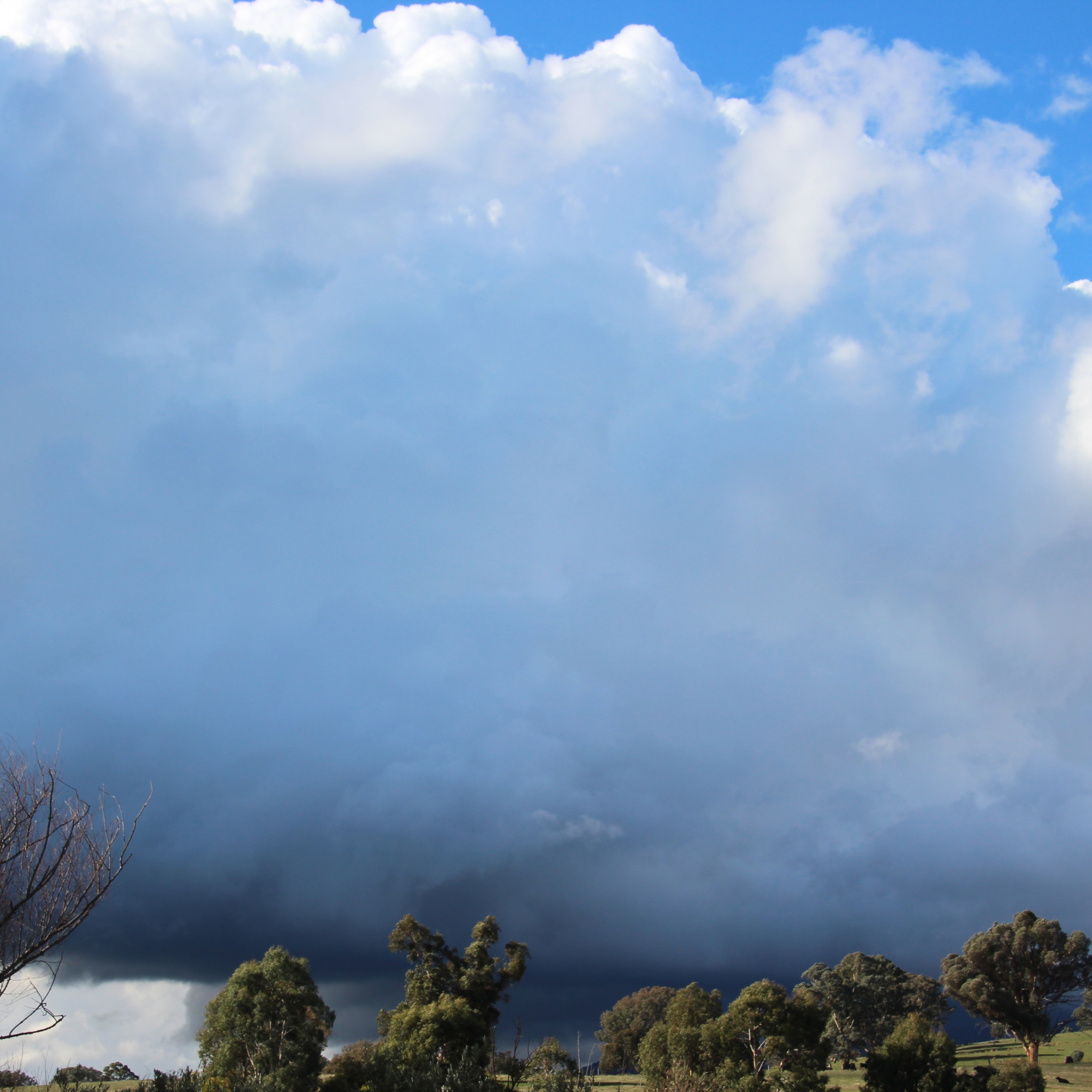
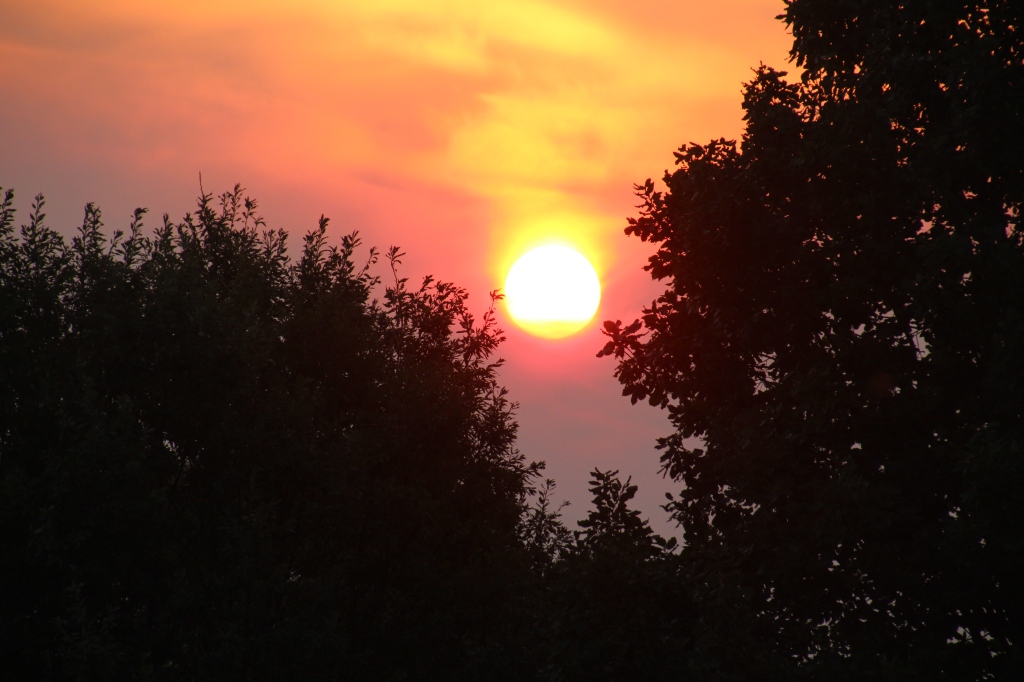
However, the smoke haze does provide some superb sunset photo opportunities. Another night we saw this large, red glow in the distance due to a burn-off in some stubble that flared up. Earlier this week, a storm and some rain cleared the air. Another photo opportunity.
This morning was the coolest start for several months, but it has been a lovely warm, sunny day. One can sense a change in the seasons and see the changes in the leaves of grapevines and various trees. Daylight saving is due to end the first weekend in April, which will see a return to being lighter early in the morning and becoming dark much sooner in the late afternoon.
On one side of the world, spring is bursting forth while here we prepare for the coming winter months. That includes sourcing more fire food and putting away the summer clothes. As restrictions and lockdowns disappear and we are told we need to learn to live with COVID, one dares to dream of travelling to warmer climes and visiting friends and family over the coming weeks.
Late afternoon and suddenly, the smoke haze returns, clinging to the sides of the valleys. I better close windows and doors to keep the smell out and rescue the washing from outside before it absorbs the smokey aroma. Happy weekend everyone.
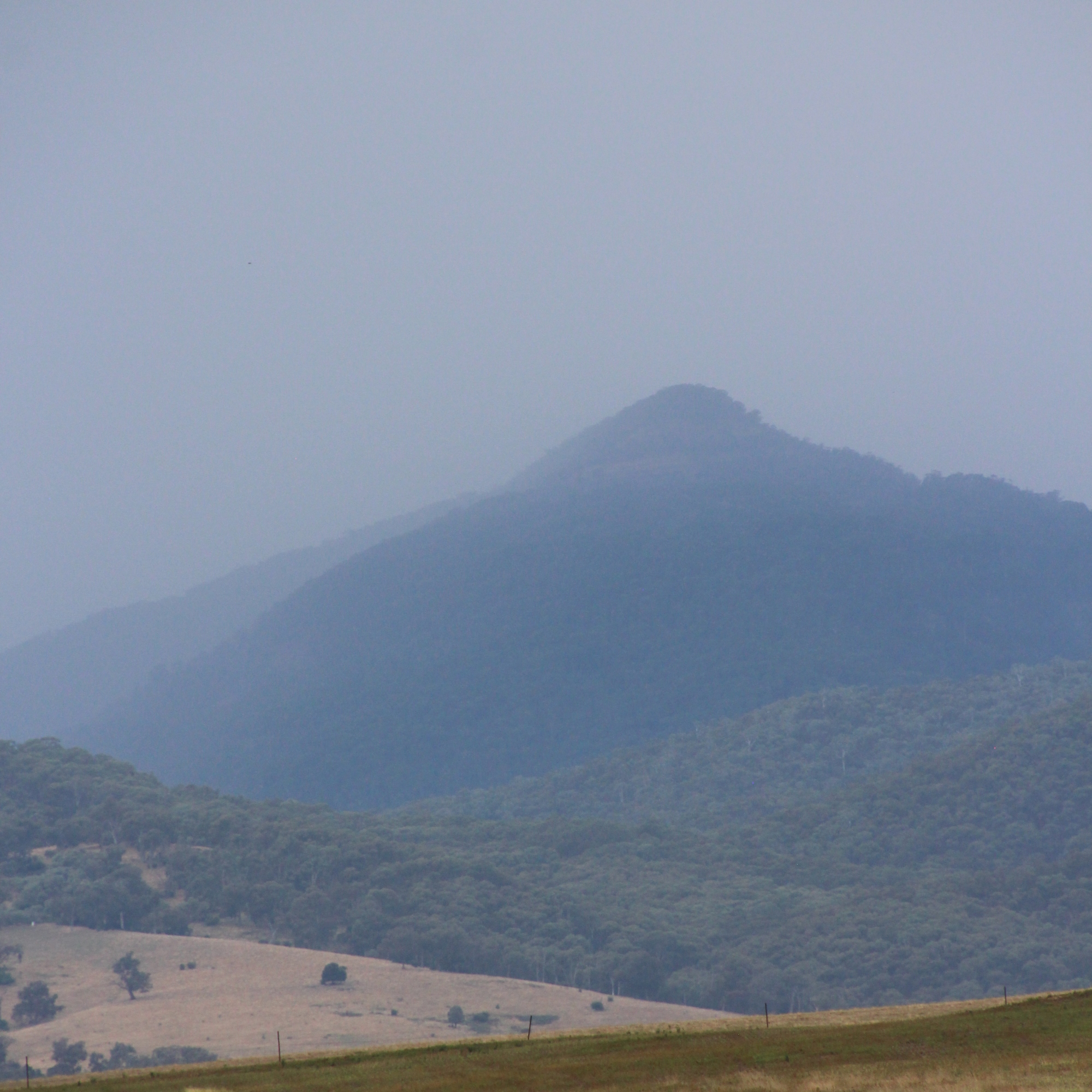
Smokey mountain views.Smoke haze creates a colour palette all its own.
Thanks for flying with us. Keep up the good blogging.
This just popped up in my notifications and although I knew this blogging journey began in 2017 it still took me by surprise to see it has been five years. It coincided with my move from the city back to my country origins to begin a new life with my husband on 25 acres. Some things have worked out as expected and others have had their challenges, but looking back and given what has expired with the COVID-19 Pandemic, we made the right decision for us. My blog started out as more of a journal in words and pictures but now it is time to expand my horizons and stretch my creative self more than ever. There have been some sad goodbyes and happy moments to relish but through it all there has been a divine hand on my life. May my faith not waiver as we embrace another year of uncertainty but discover how precious life is and all that we have to be grateful for. Happy blogging one and all!
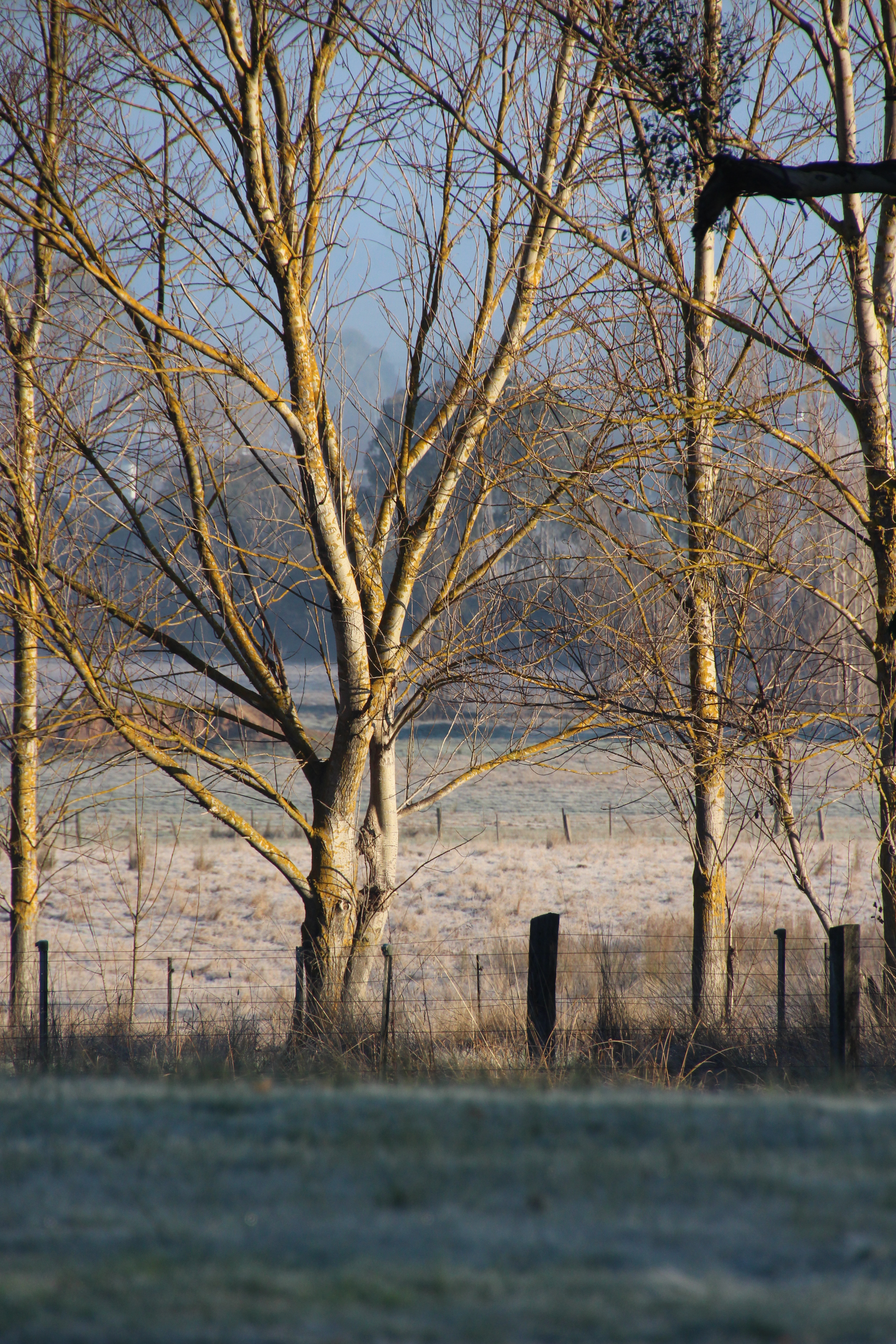
Some random images taken around and near my home in the High Country of Victoria. I love the changing natural light from sunrise to sunset. The changes in the seasons and the abundance of trees and other plants is also a joy to watch. The Delatite River is a delightful place to cool off or cross by bicycle. It is summer now and the lush greenness of spring has disappeared as the baking sun dries off the grass. It also brings outs the snakes including tigers and browns. We just chased one off now while having our coffee on the verandah. Snakes are a protected native species in Victoria but sometimes people will kill them if they get too near their house or sheds. We also have friends who have sadly lost dogs and even horses to snake bite so it does pay to be wary when out and about. Just like COVID we are learning to live with it!
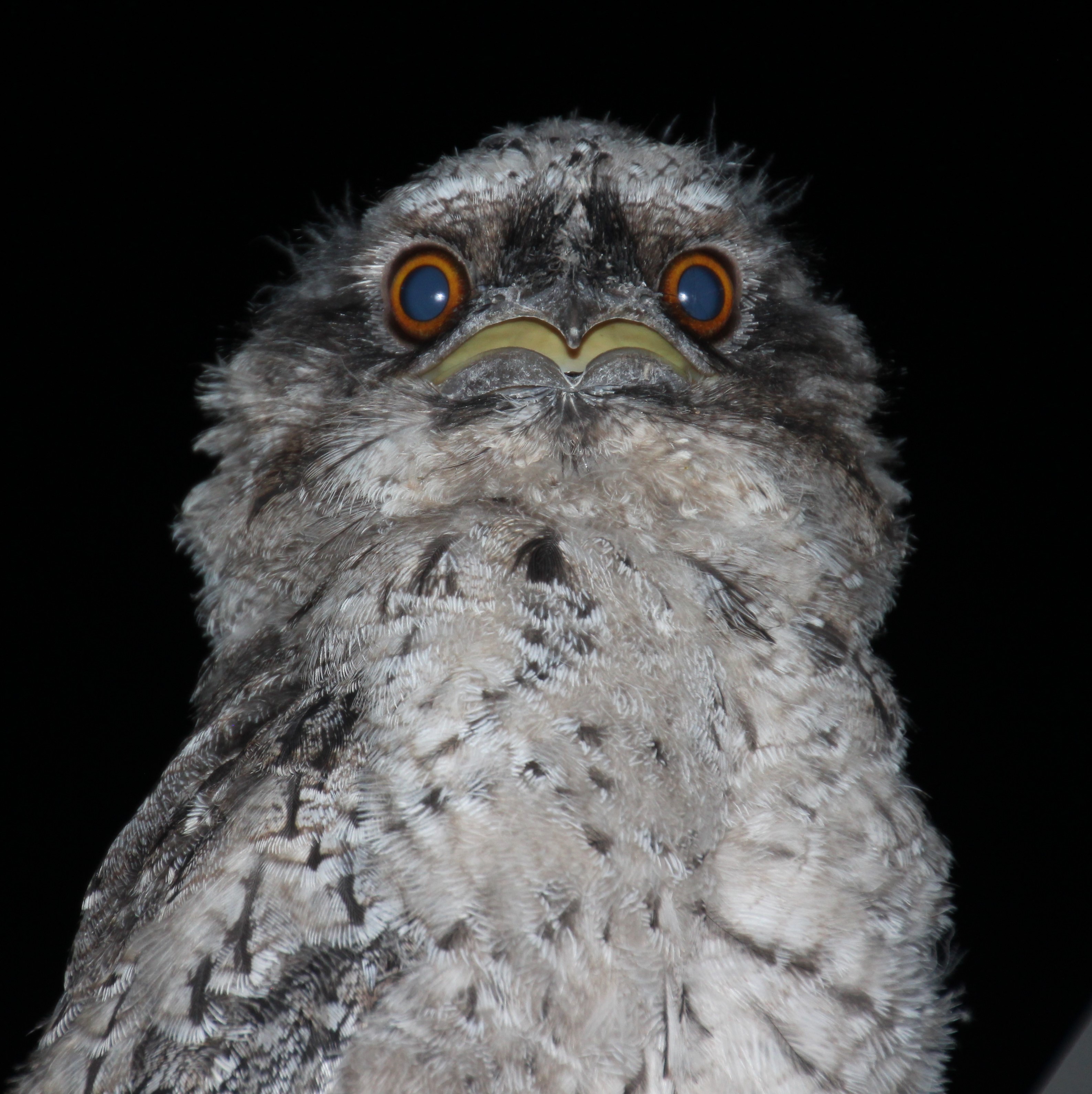
Living on our property in rural Victoria near the alpine area, we are often treated to a variety of Australian birdlife ranging from bright blue Superb Fairy Wrens and raucous Sulphur Crested Cockatoos and occasionally the owl-like Tawny Frogmouth. The latter is a nocturnal bird that requires a keen eye to spot during the day. The tawny frogmouth is able to master the art of camouflage and blend in with the bark of a gum tree tucked in a hollow. My husband and I were thrilled to find the adult male pictured above in one of our large gum trees next to our dam last year. He graced us with his presence for more than a week, and his distinctive deep booming “Oom-oom-oom-oom” noise could often be heard in the evening. Apparently, if they sense danger, Tawny Frogmouths can hiss loudly and puff themselves up to look much bigger with enlarged eyes and wide-open beaks. However, the best defence they have is in their ability to vanish into their surroundings. The mottled grey feathers against the matching bark of the tree also make them hard to photograph during the day. I love his closed eyes as he tries to ignore the world. But come nightfall, and that sleepy pose is replaced with the action of flight and search for food. I assumed that frogs were on their menu because our dam is full of noisy croaking, especially during spring. The name Tawny Frogmouth relates to their appearance. The “large flattened, triangular, hooked beak which is olive-grey in colour, and the huge frog-like gape is used to catch insects” is the description provided by the animalcorner.org website. The birds also go through two different plumage colour changes from silver-grey to being russet-red.
Tawny frogmouths are the masters of camouflage and hard to spot or photograph high up in the gum trees
Our visitor disappeared, although we could still hear faint sounds of “Oom-oom-oom-oom” from a distance for another week or so. Then over a week ago, we had a surprise visitor land on our verandah close to our house early evening when it was going dark. My husband spotted the young Tawny Frogmouth while outside and called me out to look. I grabbed my camera and was thrilled to take some closeups of this downy little creature. We think our outdoor lights must have attracted him to try his luck at catching insects. It was fairly obvious this bird was still on his L-plates for flying and not long out of the nest. One notable aspect was the different noise to an adult bird which sounded more like a croak. We didn’t want to stress him out too much, so we quickly moved away and were surprised when one of the parents landed on our verandah as if to say, come on home now. Lights were switched off, and we can only assume that the pair flew off together. There haven’t been any sightings since, so we hope they are alright. I found a delightful video (link below) about these wonderful unusual, but endearing Australian birds which deserve to win our affection. Makes me appreciate seeing them in the wild so much more.
The change of seasons comes in a rush
Of hot air and wilted grasses in the bush.
No need to clear out the ash and stoke the fire
As ceiling fans whir above, and with a beer
In hand the farmer wipes the free-flowing sweat
From his sun-beaten face, and without a beat
Flicks off the pesky blowflies settled on his work shirt.
His wife tucks her tea towel in the band of her skirt,
Then says as she leans wearily against the kitchen wall.
 "It's too bloody hot to eat anything at all!".
To stay or leave?
I am torn.
My heart and mind
are at odds.
What is the chance
one whispers,
of fire reaching us here.
The radio crackles.
Emergency announcement.
"If you have not already left,
it is now too late to leave."
Decision made.
This poem was included in a collection of poems published in 2021 as High Country Poets highlighting the works of local poets from Mansfield in North East Victoria, Australia. Proceeds from sales of the book go to the Mansfield Secondary College Welfare Fund.
I was finally on track to achieve one of my biggest goals and dreams when it all went somewhat pear-shaped. Back in September, I found the ideal horse to build up my confidence again after many years of absence from the saddle. His owner wanted to see how I bonded with him and make sure we were a good match before selling him, which was fair enough. I was upfront that it had been several years since I was riding regularly. He is a gorgeous 15.2 hands palomino part-quarter horse gelding with a lovely nature and a delight to ride. Biscuit had been used by many a beginner and was soft in the mouth without a hint of pulling. I visited him several times. With the assistance of a curry comb, I got stuck into shifting his shedding winter coat revealing a bronze-like colour beneath. I got to rug him, feed him and watch him being shod. Biscuit is the ideal horse to handle. We took it slowly to begin with, but we were cantering around the small paddock by the second time. My dream of being a horse owner was about to become a reality. Biscuit and I were working well as a team. I had no nerves while riding him. I joked with my husband that I felt safer on that horse than on our ride-on lawnmower! After a couple more visits, three of us set out to ride along the grassed roadside near his home in late October. It was a beautiful vista being in the foothills of the nearby mountains and walking past the bushland on horseback. The ground was very wet in places following heavy spring rains, and several small ditches were full of flowing water. On our return trip, the rider ahead leapt over a ditch on her horse. So Biscuit and I followed suit. We did this fantastic leap, and his hooves had barely hit the ground when suddenly his backend went up. As I felt the buck beneath me, I remember thinking where did that come from as I tried to rebalance myself. Alas, it was too late, as I parted company with Biscuit and fell with a thud onto the ground below. I was ever so apologetic to his owner for managing to fall off such a quiet horse. She said it was totally out of character for him, not to blame myself so much. Biscuit didn’t run away, and I intended to get back on thinking maybe I had just winded myself. I held my ribs as I sat on the ground when everything began to swim before my eyes and started to blackout. It dawned on me maybe; I wouldn’t be getting back on after all. Biscuit’s owner called her husband to come and get me, as I turned as white as could be from the shock. My right side had taken the brunt of the fall with my arm so painful that I couldn’t move it. Back up at the stables, I sat quietly with a bottle of water. I was going to drive myself home, but Biscuit’s Mum insisted that I shouldn’t do that. I let her drive my car, and her husband followed behind to my place. On hearing the cars pull up, my husband thought Biscuit was arriving at his new home but found his wife in the passenger seat of her car in a world of pain. I found what painkillers were in the house and dragged on my pajamas. After a terrible night’s sleep and concerns the following day that I couldn’t move my right arm, it was a trip to the emergency department of our local hospital still in my PJs and dressing gown. COVID restrictions prevented my husband from coming inside the hospital with me. Because I couldn’t use my right arm, he had to put my face mask on for me and learn to use my mobile phone for the QR code required for contact tracing. Finally, I was admitted inside. The nurses found me some strong painkillers before the doctor ordered some x-rays done on-site. I was in so much pain. The hospital staff were worried that my right arm was dislocated, so advised a trip to a bigger hospital over an hour away to get scans. It was suggested by the staff that I get someone to drive me over there. Since the advent of COVID, our paramedics and other front-line health workers, like many others worldwide, are being overwhelmed by demand. I was loaded up with paperwork to take to the emergency department at the other hospital and a “green whistle” full of morphine to dull the pain en route. A nurse found a triangle bandage to make a temporary sling for my arm. So I go to the other hospital with my husband, still dressed in my night attire. Of course, once again, when we arrived about midday, my husband had to remain outside after we managed to do the COVID-safe check-in. Then more paperwork. The waiting room was full of patients and divided into two with a plastic sheet separating the COVID or potential cases from the rest of us, which I found a bit unsettling although I had recently had my second jab. Finally, I was taken to another part of the hospital’s emergency section, and the staff did a cat scan of my upper body, including my injured right arm. I then went into a room with other patients, some on beds and others like myself in an upright chair. I had to request more painkillers because the opiates had worn off. Three different doctors attended me, with one confirming that I had sustained four cracked ribs, a broken scapula (shoulder blade) and suspected nerve damage to my arm. I also learned that the hospital had a three cracked ribs policy which requires hospitalisation of the patient for 24-hours because of the risk of developing pneumonia. Once I convinced the doctors, I understood the risk and had spent the previous night at home after the accident; they allowed my discharge. With several COVID cases presenting at the hospital, I felt it was safer to be at home. About 5 pm, my husband was able to collect me from outside the main door of the hospital. I had been given some prescriptions, which we then took to the large pharmacy store in the town to be filled. A staff member told my husband at the door that the store was closed for a deep clean following a COVID exposure. The chemist in my hometown would be closed by the time we got back. I struggled through the night with what pills I had. My whole right side was in so much pain, and the slightest movement triggered spasms. Once I got into a somewhat comfortable position, I wasn’t game to move. My poor husband had to help me out of bed because I couldn’t use my arm and put up with my groans. For several days, he was my wonderful full-time carer, which turned into weeks. Since then, there have been trips to the local doctor, physio and the hospital for more x-rays. Two weeks ago, I thought I had turned the corner but overdid it because my arm pain flared up badly, and I needed to use a sling again. The doctors recommend only using a sling for about two weeks or so. I am supposed to be doing some exercises to assist in getting more mobility in my arm, which is hard when my ribs are still sore. But almost seven weeks since the accident, and I am slowly starting to feel more like my old self. I still have plenty of work to do to improve my breathing and build up muscle tone in my arm again. I am very weak on my right side and still can’t do any heavy lifting. But I am hopeful that I will be much better soon and able to get back into the saddle again by the early new year. I intend to stay on next time.
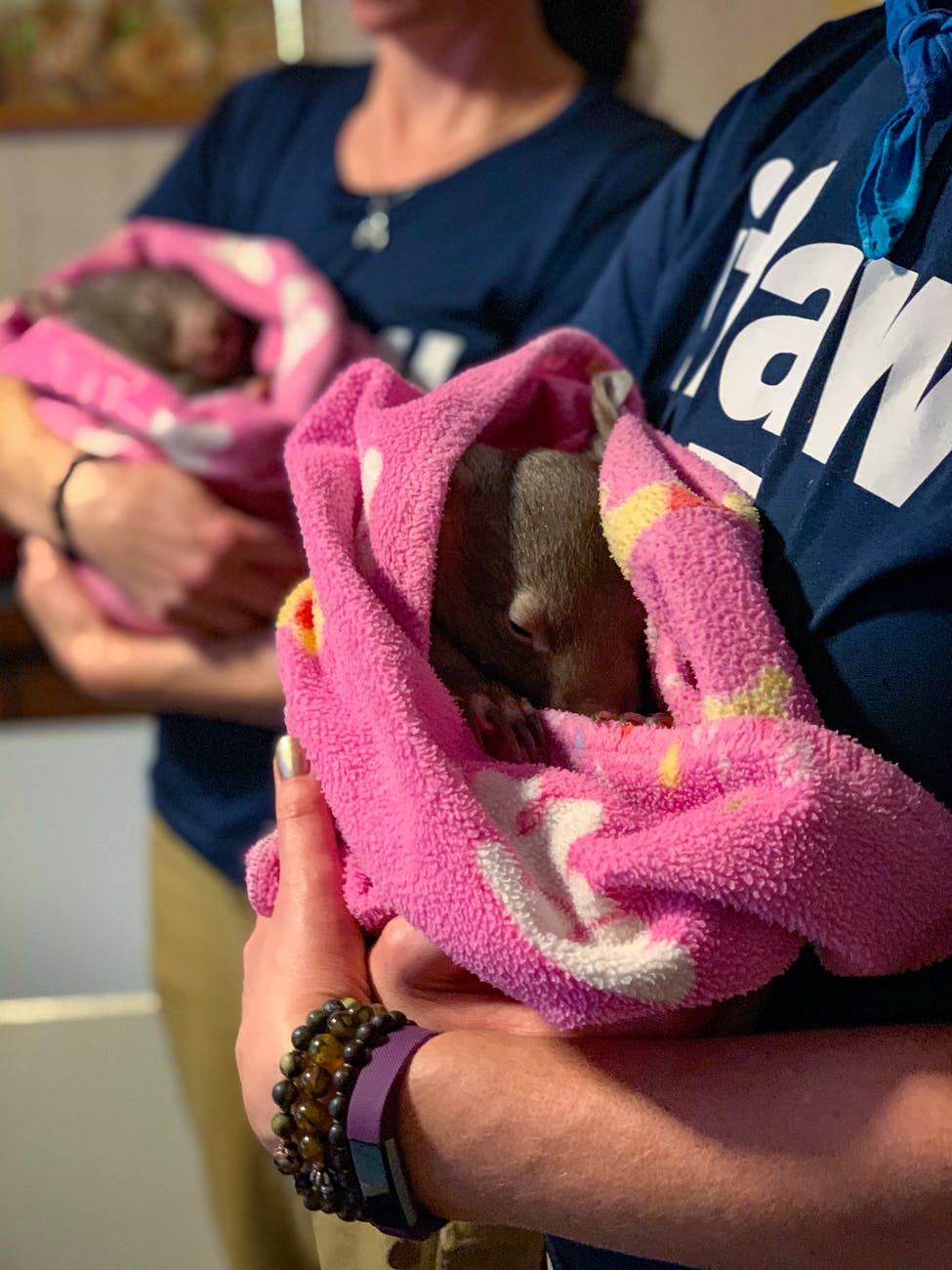
Photo by International Fund for Animal Welfare on Pexels.com
Life is a gamble for many of our native wildlife species in Australia. Wombats are often fatal victims on our busy country roads and have succumbed to the scourge of mange in more recent years. It is believed the mange is spread by introduced species such as foxes and rabbits as well as wild dogs.
Farmers have a love-hate relationship with these animals due to their ability to burrow underground and create cavernous tunnels. Our country house and shed are built on a concrete slab, so they don’t try to dig under our buildings, but neighbours with weatherboard houses on stumps are forever trying to keep them out. City people may think wombats are cute animals but have never seen the damage caused by their powerful digging prowess. They are also nocturnal mammals, so they are out and about during the hours of darkness when most of us are indoors. I often find piles of scats around our property the following day marking their journey.
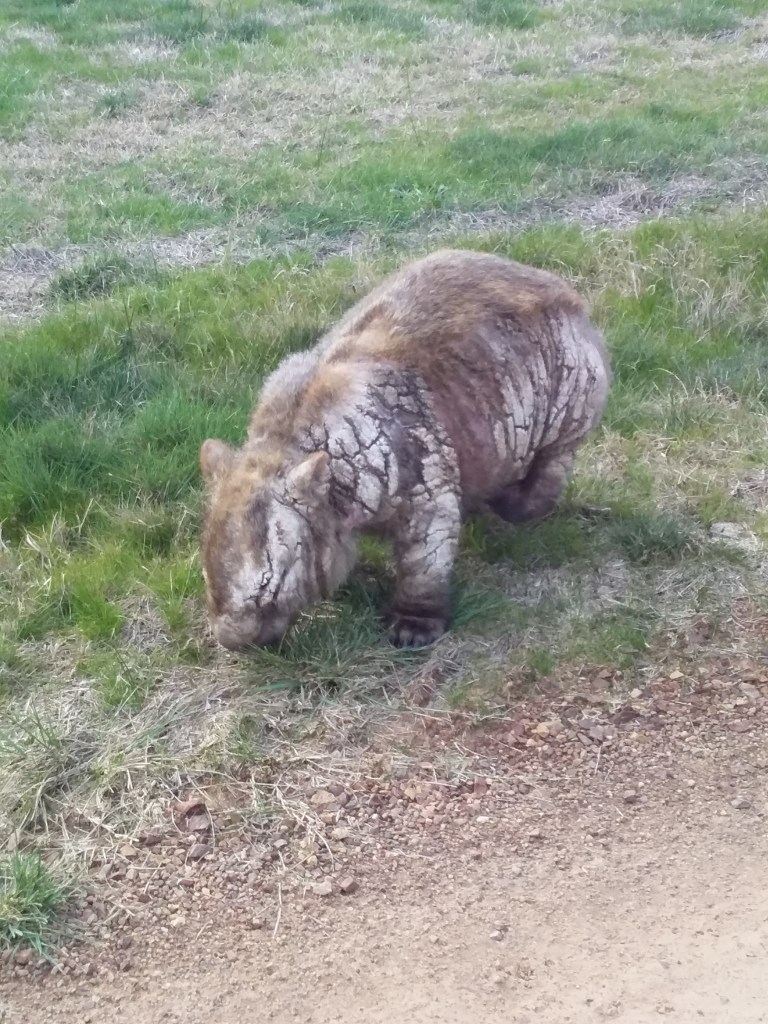
Suppose you happen to see a wombat wandering about during daylight hours. It is usually a sign that the animal has serious health issues related to mange which is an infestation of mites. They get under the skin of the wombat and cause unrelenting itchiness and loss of hair covering. Constant scratching creates red raw sore patches on their body and in the worst cases open wounds. The loss of hair covering forces the wombat to graze more to keep warm and to come out during daylight hours.
Mange causes this crust to form on the skin of the affected wombatwhich has been wandering onto our property during the day to graze grass.
Another sad aspect is the impact on their hearing and sight. I have a wombat on my property at present who I can get very close when it is out eating grass during the day. I am careful not to get too close because wombats are wild animals and can get distressed. But I did get close enough to take some pictures and a video as a record of the wombat’s condition.
My husband and I thought we had discovered where the burrow of this particular wombat is on our property. We put some small sticks in the entrance to test this theory. Unfortunately, they remain undisturbed. Other burrows are waterlogged due to the heavy winter rains we are having this month. So we think its home must be on one of our neighbours properties. We had hoped to treat the wombat as per the instructions from the Wombat Mange Welfare website https://mangemanagement.org.au/.
It is not always easy to know when the wombat will be out and about. We have contacted the welfare people to see what can be done. It is heartbreaking to see them suffering this way so we need to encourage more action to eliminate this mange and return our wombats back to full health. Hopefully as more people are aware of this serious issue the more that can be done for them.
I haven’t seen the wombat this week probably due to it being so cold and wet, but will continue to keep an eye out for it. Follow the link to the website to learn more about what is being done to manage mange in wombats
I’ve been through the desert On a horse with no name It felt good to be out of the rain In the desert, you can remember your name ‘Cause there ain’t no one for to give you no pain.
America – 1972
A significant reason for my tree change to a country property was to have space for a horse after many years break from riding. Living in a major capital city makes horse ownership difficult and expensive. So here I am almost 30 years later with a yearning to connect with an equine friend once again. I already have horse yards, a round yard, hay bales and saddlery but sadly, no horse as yet. We shifted here full-time four years ago, so time has been marching on.
This horse I am seeking is almost like searching for a unicorn – it is so elusive! Finding something that is quiet and suitable for a mature-age rider wanting to gain their confidence back involves a lot of patience and networking. I trawl websites and magazines to see what is available and in what price ranges. Once I find that horse, items to be added to the shopping list include a horse float, rugs for our cold, frosty days, and many other things.
America’s song about a horse with no name entered into my head as I thought about my search and how this nameless creature is out there somewhere. Believe it or not, growing up, my family did own a horse called No Name. We never did find her breeding background to help find her a new name. Hopefully, I won’t have to go as far as the desert to find my horse with no name or a name yet unknown!
While we are in this COVID bubble the arrival of spring brings a sense of a change and maybe a little bit of hope (Cases in Victoria have remained under 100 for the last three days!) One of the many things that makes me happy living in the beautiful high country is the sounds of nature that fill the air. The winter rains have our dams overflowing which attracts the frogs. I can lie in bed at night and hear them croaking loudly. It pays for them to be a bit quieter during the day when the rather large white-faced herons are about! This is a short video I filmed to capture the sounds of my own personal chorus. I hope you enjoy it as much as I do.














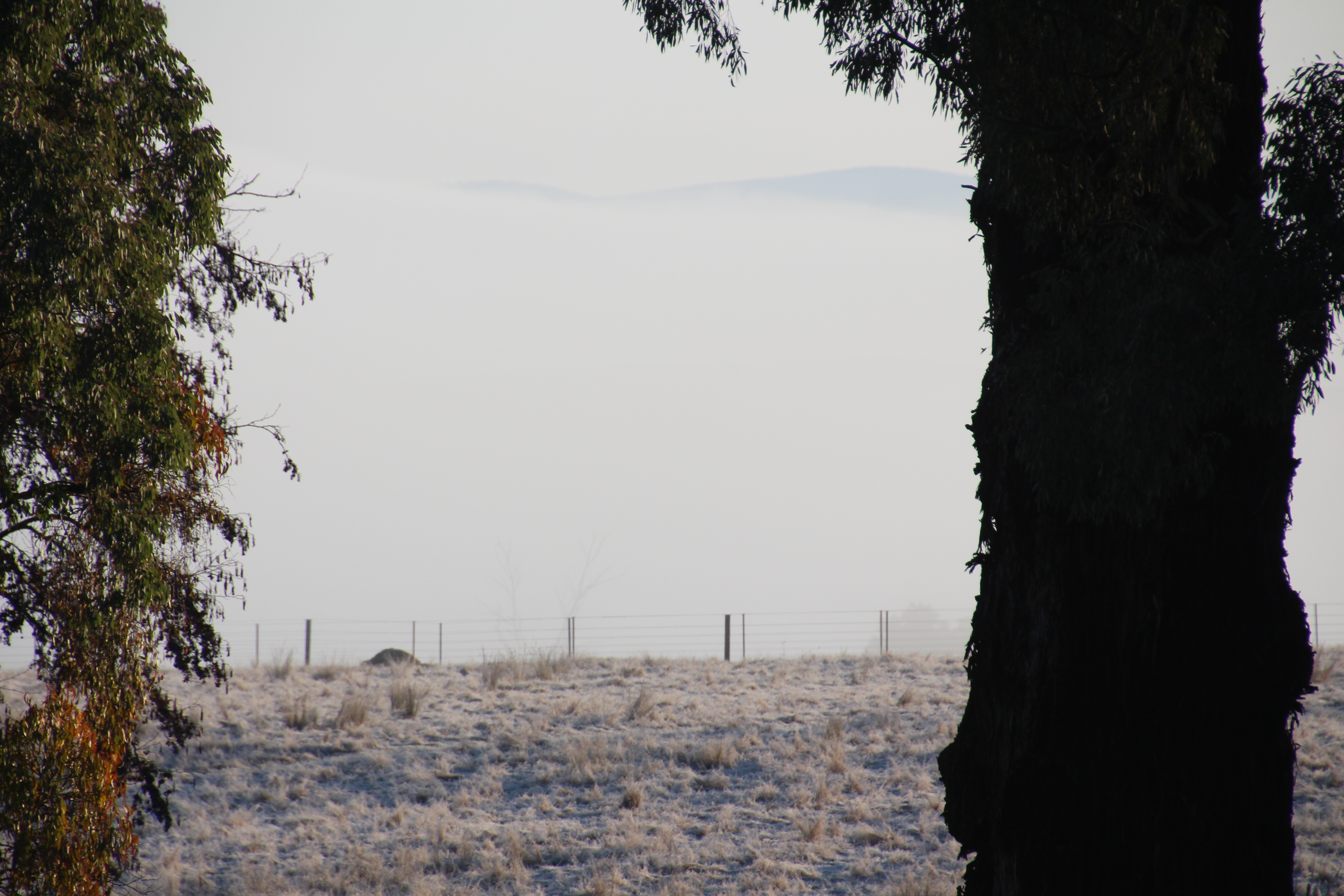
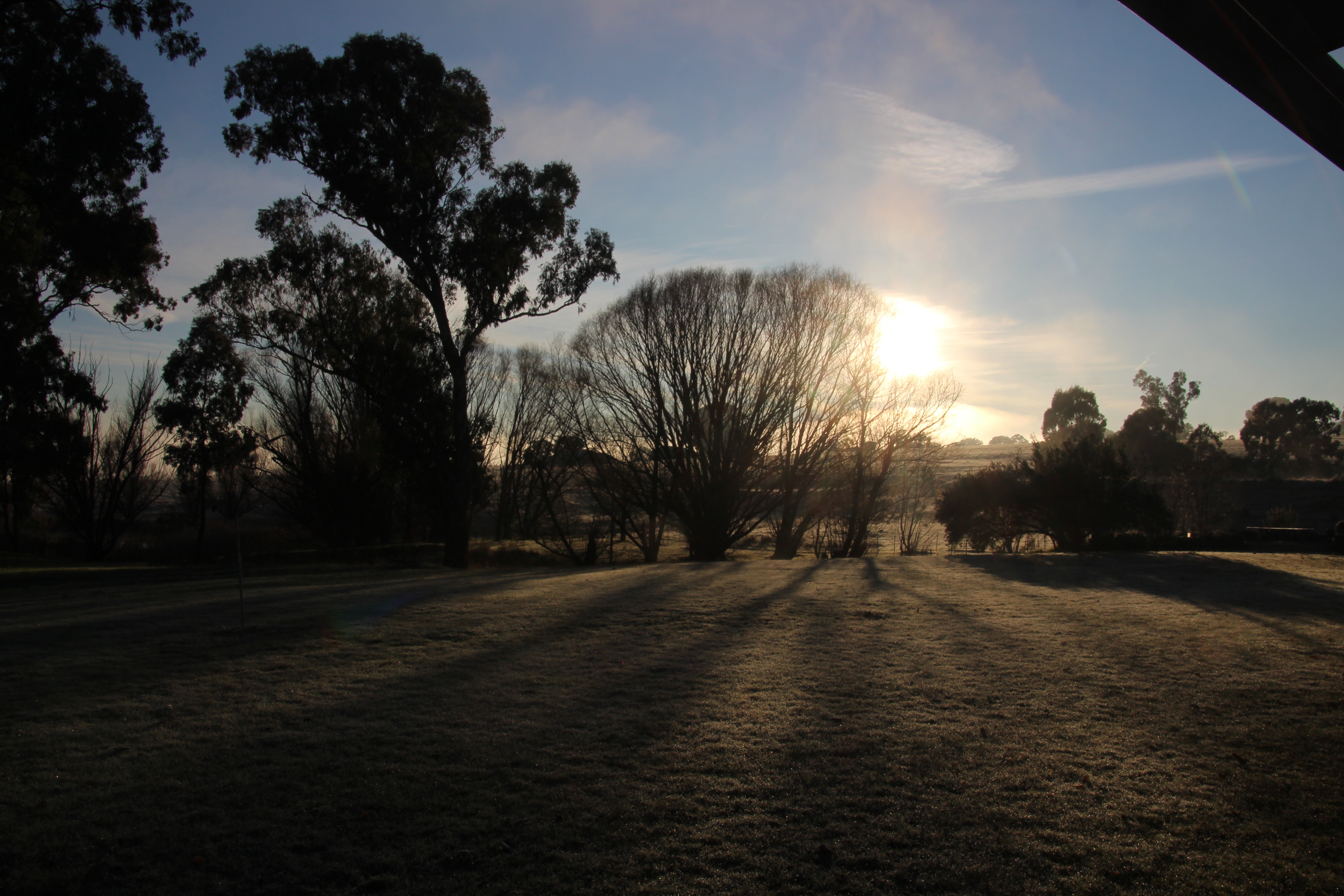
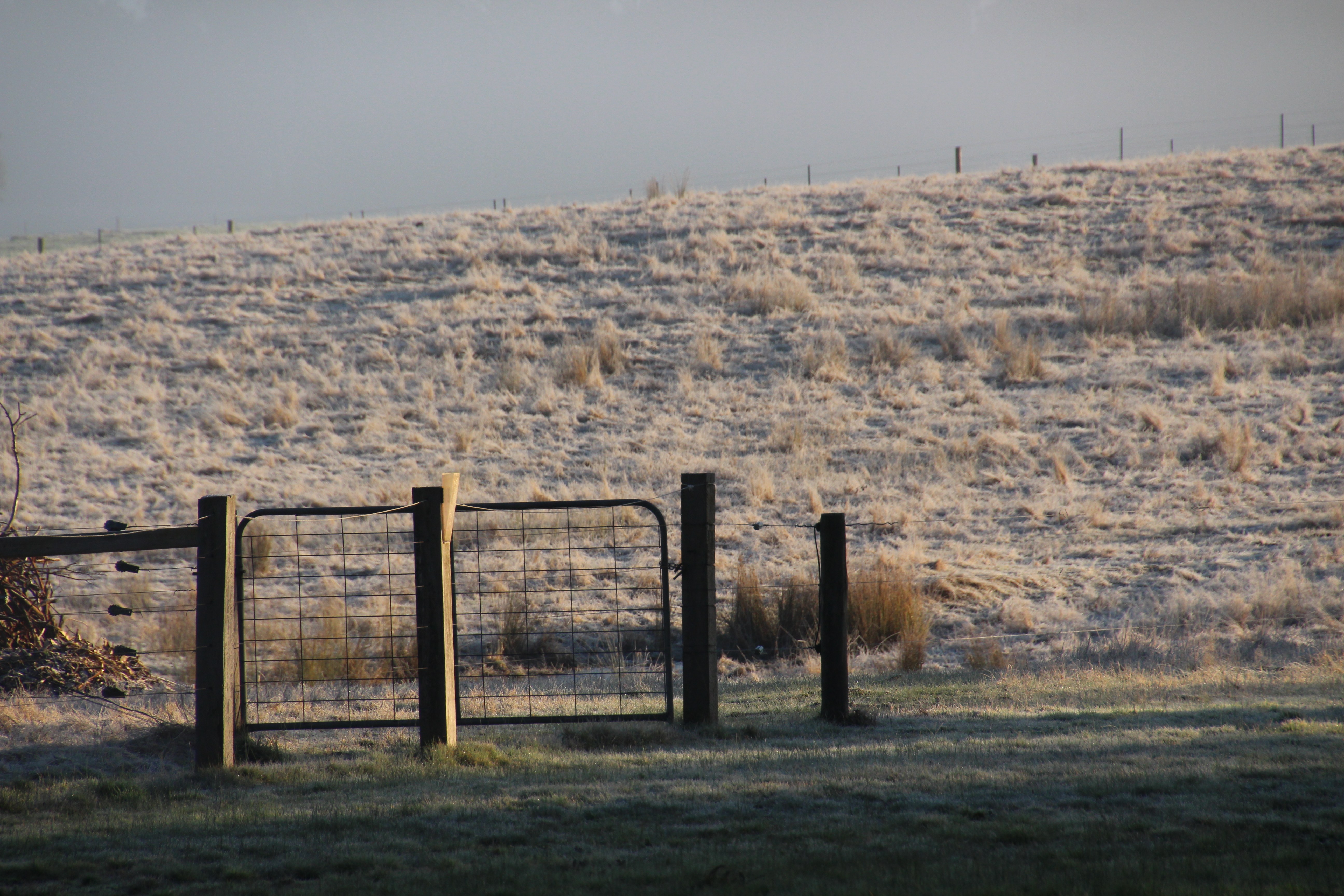
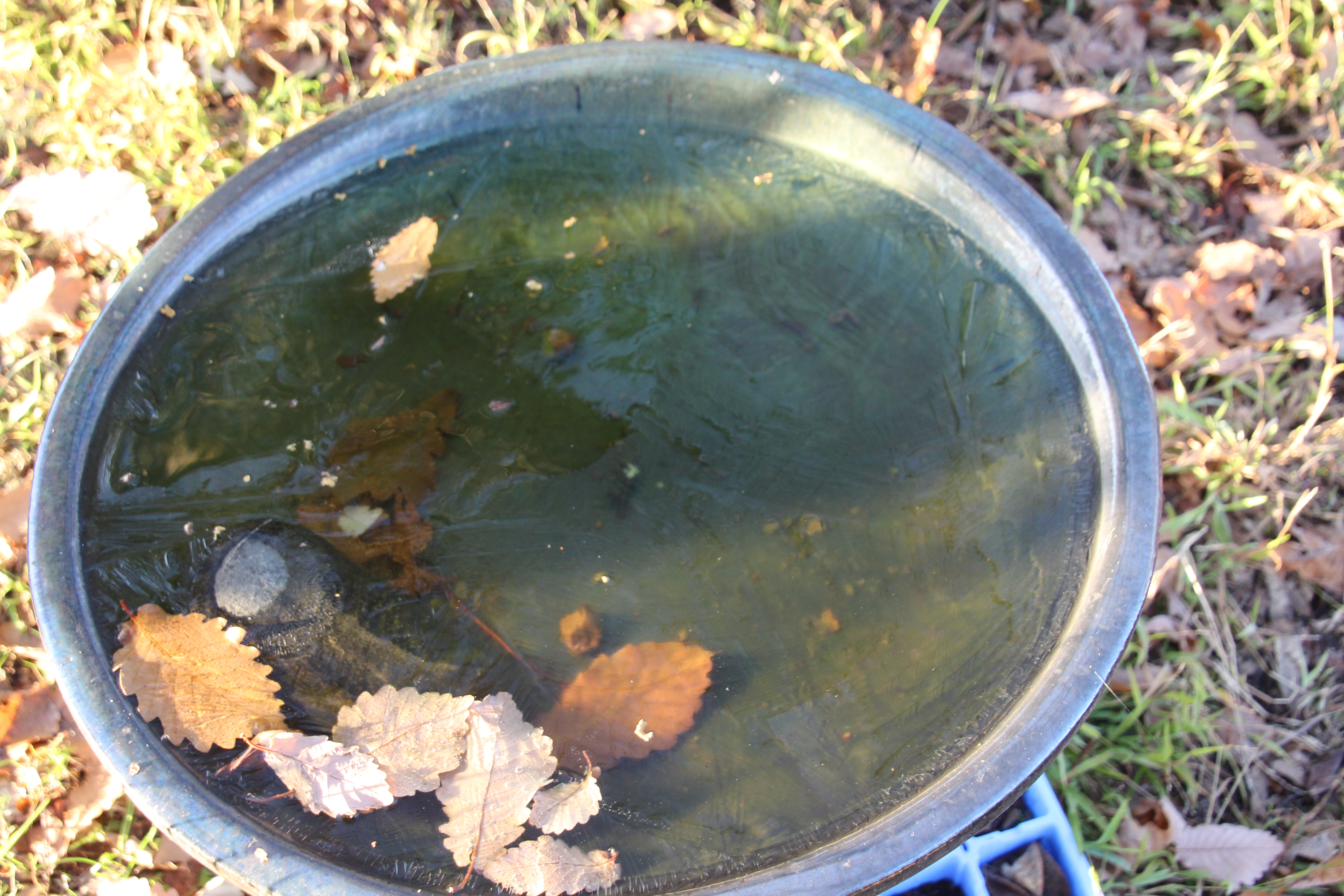




 Escape to the High Country...